

Overview
Your choice of freight provider can make or break your company’s logistics. Understanding the key differences between general and refrigerated freight plays a big role in moving everything from tools and bulk products to fresh food and medicine. Desired Transport supports businesses across Australia by offering both freight options with care and precision.
This guide will compare refrigerated versus general freight to help you decide the right fit for your cargo.
What Does General Freight Mean?
General freight refers to items that do not need to be stored at a set temperature while being moved. Examples of such goods include:
● Tools and equipment
● Materials for construction
● Furniture
Here are some benefits of using general freight:
● Affordable items that don’t spoil over time
● Flexible delivery times and schedules
● Best for bulk orders or pallet-sized loads
What Is Refrigerated Freight?
Refrigerated freight also called cold chain logistics, helps move goods that need temperature control. Vehicles with built-in cooling systems specially designed for this purpose, handle these transports.
Typical Goods Moved:
● Fresh fruits and vegetables
● Frozen food and dairy
● Vaccines and medicines
● Flowers and greenery
Benefits of Refrigerated Freight:
● Protects items from spoiling or contamination
● Meets health and safety rules
● Keeps proper cold temperatures from start to finish
How Is Refrigerated Freight Different From General Freight?
General Freight V/s Refrigerated Freight
Temperature Control:
Standard freight doesn’t need extra temperature regulation.
Refrigerated freight relies on active cooling to maintain low temperatures.
Cost:
General freight costs less.
Refrigerated freight costs more because it includes cooling systems.
Goods Suitability:
Non-perishables fit well in standard trucks.
Refrigerated trucks suit perishables or items that need cold storage.
Vehicle Type:
Standard trucks handle most shipments.
Refrigerated trucks can carry cargo in cooled conditions.
Choosing the Right Freight Option
To choose between refrigerated and regular freight, ask yourself the following:
● Does your product require controlled conditions?
● Are there rules or safety needs your cargo must meet?
● What is the cargo’s value, and will it get damaged without cooling?
Examples:
● A supplier delivering seafood like prawns = Refrigerated freight
● A furniture company shipping tables = General freight
Why Choose the Freight That Best Fits?
Desired Transport provides options tailored to your shipment’s needs.
Reliable options are available for general and refrigerated cargo.
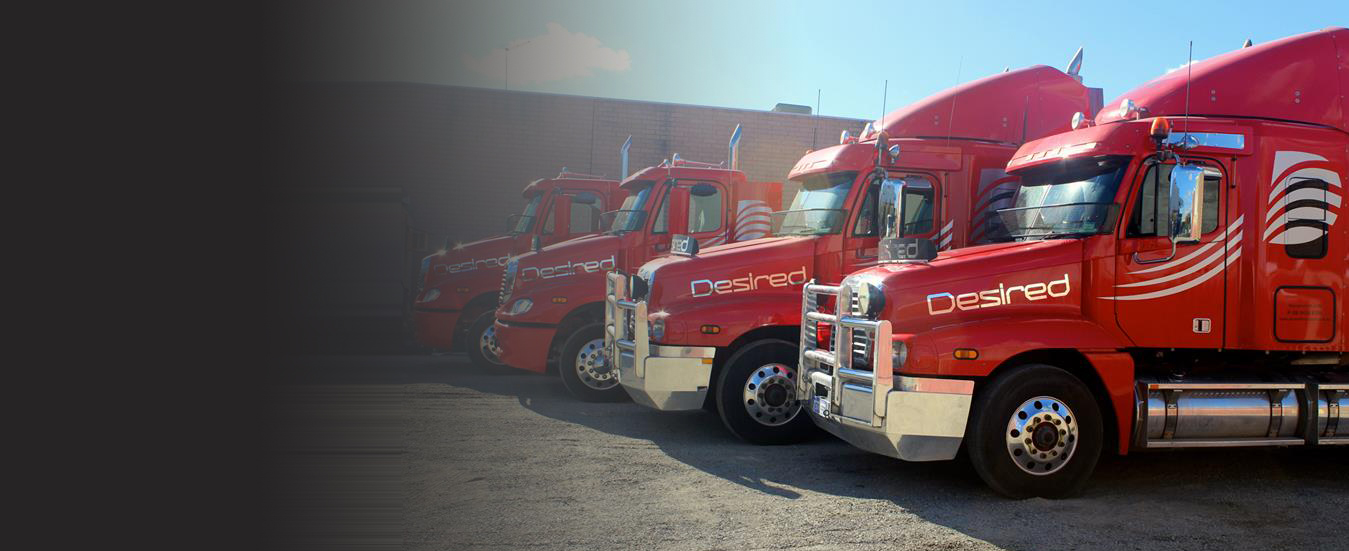
Our fleet includes GPS-monitored vehicles driven by professionals.
● Flexible scheduling across Western Australia and other regions
● Fair prices with no hidden fees
If you need to ship frozen items or heavy machinery, we provide customized delivery to match your cargo’s needs while ensuring it arrives and on time.
Final Thoughts
Choosing the correct freight option is key to protecting your cargo and managing costs. General freight works well for items that are not perishable, whereas refrigerated freight is necessary to preserve goods that require specific temperatures. Desired Transport offers businesses dependable and adaptable logistic solutions to help them make the smart choice for their shipments.
Reach out to Desired Transport today to discuss your needs or request a personalized freight quote tailored to your business.







Leave A Comment